AGDrone

Change Your Point of View, Change Your History

Lorem ipsum dolor sit amet, consectetur adipiscing elit, sed do eiusmod tempor incididunt ut labore et dolore magna aliqua. Ut enim ad minim veniam.

YEARS OF EXPERIENCE
0
COMPLETED PROJECT
0
POSITIVE REVIEW
0
EXPERT PILOTS
0

About Us

Gives You The Visible Difference

Lorem ipsum dolor sit amet, consectetur adipiscing elit. Ut elit tellus, luctus nec ullamcorper mattis, pulvinar dapibus leo.

YEARS OF EXPERIENCE

Lorem ipsum dolor sit amet, consectetur adipiscing elit. Ut elit tellus, luctus nec ullamcorper mattis, pulvinar dapibus leo.

PROFESSIONAL PILOTS

Lorem ipsum dolor sit amet, consectetur adipiscing elit. Ut elit tellus, luctus nec ullamcorper mattis, pulvinar dapibus leo.

AFFORDABLE PRICE

Lorem ipsum dolor sit amet, consectetur adipiscing elit. Ut elit tellus, luctus nec ullamcorper mattis, pulvinar dapibus leo.

OUR SERVICES

Lorem ipsum dolor sit amet, consec tetur adipiscing elit.

Lorem ipsum dolor sit amet, consec tetur adipiscing elit.

Lorem ipsum dolor sit amet, consec tetur adipiscing elit.

Lorem ipsum dolor sit amet, consec tetur adipiscing elit.

OUR CLIENTS

OUR TEAM

OUR LATEST NEWS

THE LATEST NEWS FROM DRONES LIFE

Recent News

Mapping the Earth from Above: Geomapping with Drone Technology

In the realm of geospatial data collection, drones have emerged as indispensable tools for capturing high-resolution imagery and generating accurate maps of the Earth’s surface. Geomapping, the process of creating detailed maps that represent various geographical features and phenomena, benefits immensely from the capabilities of drone technology. Equipped with advanced sensors, cameras, and GPS systems, drones offer unmatched flexibility and precision in capturing aerial data, making them ideal for a wide range of mapping applications.

One of the primary advantages of using drones for geomapping is their ability to access hard-to-reach or hazardous areas. Unlike traditional mapping methods that rely on satellite imagery or manned aircraft, drones can navigate through complex terrain and tight spaces with ease, capturing data from vantage points that would otherwise be inaccessible. This capability is particularly valuable in remote or disaster-affected areas, where accurate mapping data is essential for disaster response, infrastructure planning, and environmental monitoring.

Furthermore, drones enable rapid data collection and processing, allowing for real-time or near-real-time mapping updates. By flying over designated areas and capturing high-resolution imagery, drones can quickly generate detailed maps that reflect the current state of the landscape. This agility is invaluable for applications such as emergency response, land surveying, urban planning, and agricultural management, where timely and accurate mapping data is critical for decision-making.

Moreover, drones offer cost-effective solutions for geomapping projects, significantly reducing the time and resources required to collect and process mapping data. Compared to traditional surveying methods that involve labor-intensive fieldwork or expensive aerial surveys, drones offer a more efficient and affordable alternative. By streamlining the mapping process and providing high-quality data outputs, drones empower organizations and professionals across various industries to undertake mapping projects with greater efficiency and precision.

Flying Farmers: Harnessing Drone Technology for Precision Agriculture

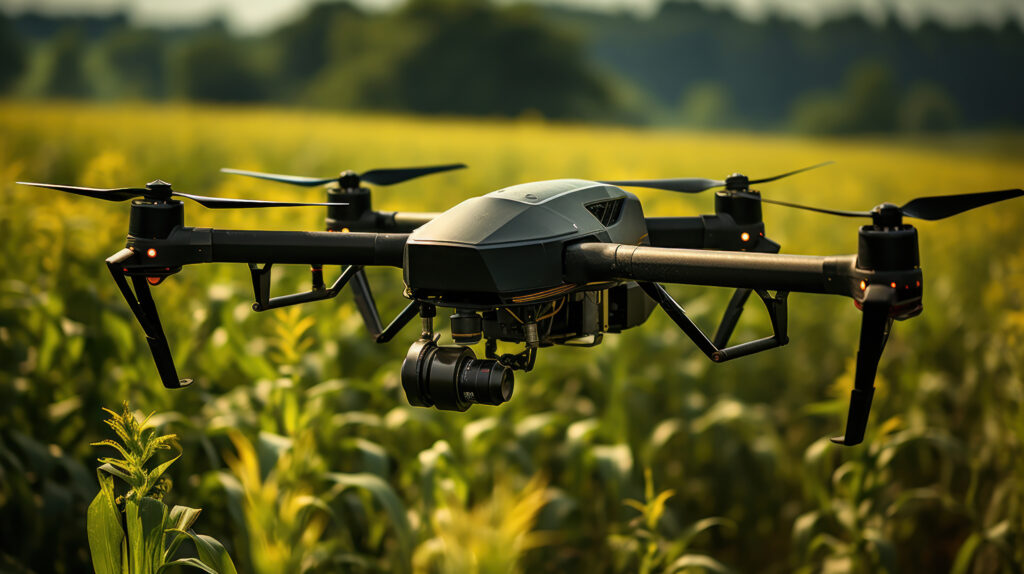
Precision agriculture has transformed the way modern farmers approach crop management, and drones are at the forefront of this revolution. These versatile aerial devices equipped with advanced sensors and imaging technology enable farmers to collect precise data about their fields, leading to more efficient and sustainable farming practices. By flying over fields and capturing detailed imagery, drones provide valuable insights into soil conditions, crop health, and environmental factors, allowing farmers to make informed decisions that optimize yields and minimize inputs.

One of the primary benefits of using drones in precision agriculture is their ability to conduct targeted interventions. With the help of high-resolution cameras and sensors, drones can identify areas of the field that require specific attention, such as pest infestations, weed growth, or irrigation issues. This targeted approach enables farmers to apply inputs only where they are needed, reducing waste and environmental impact. By optimizing resource use in this way, farmers can improve the efficiency and sustainability of their operations while maximizing profitability.

Furthermore, drones offer unparalleled flexibility and scalability in agricultural monitoring. Unlike traditional methods such as satellite imagery or ground surveys, drones can be deployed quickly and easily to capture real-time data at the field level. This agility allows farmers to adapt their management strategies in response to changing conditions, whether it’s adjusting irrigation schedules, implementing precision spraying techniques, or identifying potential yield-limiting factors. With drones, farmers have access to timely and actionable information that empowers them to optimize every aspect of their operations.

Sky High Harvest: Enhancing Crop Management with Agricultural Drone


In modern agriculture, efficiency is key to meeting the demands of a growing global population. Drones have emerged as invaluable tools for farmers seeking to maximize their productivity while minimizing resource use. These unmanned aerial vehicles (UAVs) equipped with advanced sensors offer real-time data collection and analysis, enabling farmers to make informed decisions about irrigation, fertilization, and pest control. By precisely targeting areas in need of attention, drones help optimize resource allocation, resulting in higher yields and reduced environmental impact.

One of the key advantages of agricultural drones is their ability to provide detailed insights into crop health. Equipped with multispectral or thermal cameras, drones can detect subtle variations in plant health that might not be visible to the naked eye. This allows farmers to identify issues such as nutrient deficiencies, disease outbreaks, or water stress early on, enabling proactive intervention. By addressing problems promptly, farmers can prevent yield losses and minimize the need for chemical inputs, promoting sustainable farming practices.

Moreover, drones play a crucial role in field mapping and monitoring. By capturing high-resolution aerial imagery, they generate accurate maps of crop fields, helping farmers assess field variability and plan their operations more effectively. These maps can also aid in identifying optimal planting patterns, managing field boundaries, and monitoring the progress of agricultural activities throughout the growing season. With drones, farmers gain a bird’s-eye view of their operations, empowering them to make data-driven decisions that optimize yields and profitability.

Scroll to Top